Advice from the team
End-of-tenancy refurbishment: a checklist for landlords
The short answer
Between tenants, work in this order: safety first (alarms, the gas safety record and the electrical report), then water and damp (leaks, seals, mould), then what viewers notice (walls, floors, kitchen and bathroom). Fresh paint, new sealant and a deep clean do most of the work; bigger repairs are cheapest done now, while the property is empty.
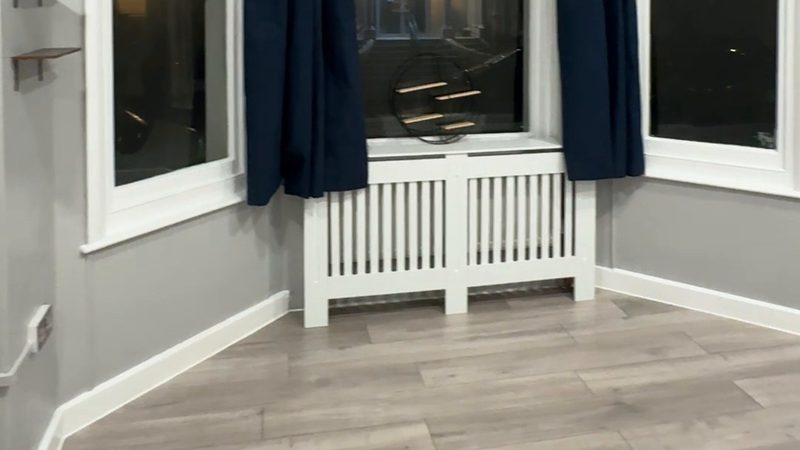
The weeks between tenancies are the one time a rental is empty, so they are the best time to fix what tenants have lived with. This is the checklist we would use for a flat or house in Eastbourne.
1. Safety and paperwork
- A smoke alarm on every storey, and a carbon monoxide alarm in any room with a fixed combustion appliance such as a gas boiler (the rules in England since October 2022). Test them on the day the new tenancy starts.
- A gas safety check every 12 months by a Gas Safe registered engineer.
- An electrical installation condition report (EICR) at least every five years.
- Check the date on each certificate now, so nothing runs out during the next tenancy.
We do not do gas or electrical work ourselves. We can arrange qualified engineers and fit our work around their visits.
2. Water and damp
- Look under the kitchen sink, behind the toilet and around the bath for drips and stains.
- Replace split or blackened silicone around the bath, shower and worktops.
- Clean and treat any mould, then find out why it grew: usually a poorly ventilated bathroom, or furniture pushed against a cold wall.
- Check the kitchen and bathroom extractor fans actually pull air.
- Bleed the radiators and check the boiler pressure.
3. Walls and woodwork
- Fill holes from pictures and shelves, then repaint. One neutral, washable colour throughout makes the next turnover quicker.
- Touch up skirting boards, door frames and doors, where most knocks happen.
- Check every door closes and latches, and that handles and locks are tight.
4. Floors
- Replace carpets that are stained or worn through rather than cleaning them a third time.
- In kitchens, bathrooms and hallways, a hard-wearing floor such as LVT copes far better with tenants than carpet.
- In a flat, check the lease: many require carpet or an acoustic underlay to stop noise reaching the flat below.
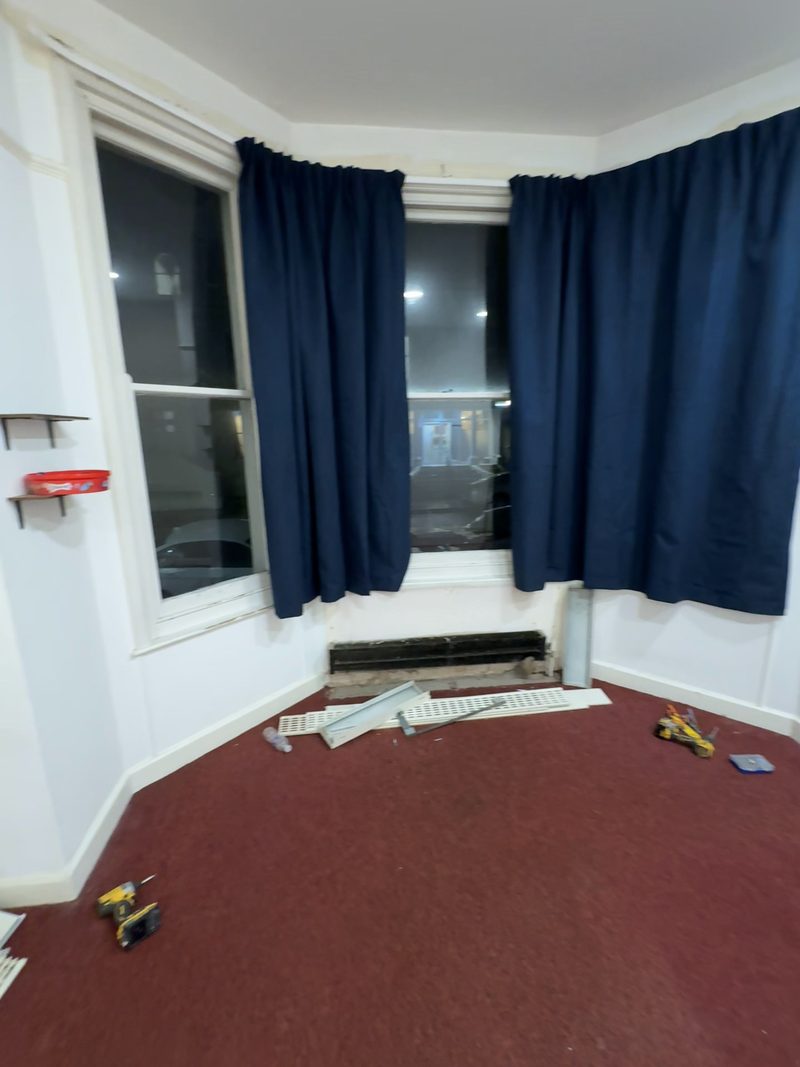
The room at the top of this page started like this. New paint, a feature wall and a wood-effect floor made it a different room.
5. Kitchen and bathroom
- Regrout or re-line a tired shower: stained grout is the first thing viewers notice.
- Fix dripping taps and a running toilet; they waste water and annoy tenants.
- Rehang loose cupboard doors and replace broken handles.
6. The final check
- Every bulb works, every window opens and locks, every radiator heats up.
- Take dated photos of every room for the inventory.
- Leave the boiler and appliance manuals in a kitchen drawer.
Questions we get asked
How long does an end-of-tenancy refurbishment take?
A repaint and small repairs in a one-bedroom flat can often be done in a few days. New floors, a bathroom or a kitchen add more. The quickest turnarounds are planned before the old tenant leaves.
Do I need to repaint between every tenancy?
Not always. Clean walls with a few marks can be filled and touched up. A full repaint every few tenancies keeps the property looking cared for.
Can you work through a list of jobs across my rentals?
Yes. We look after landlords and letting agents in and around Eastbourne and can work from a standing list between tenancies. Send it on WhatsApp for a free fixed quote.
See how we work with landlords and letting agents.
More advice
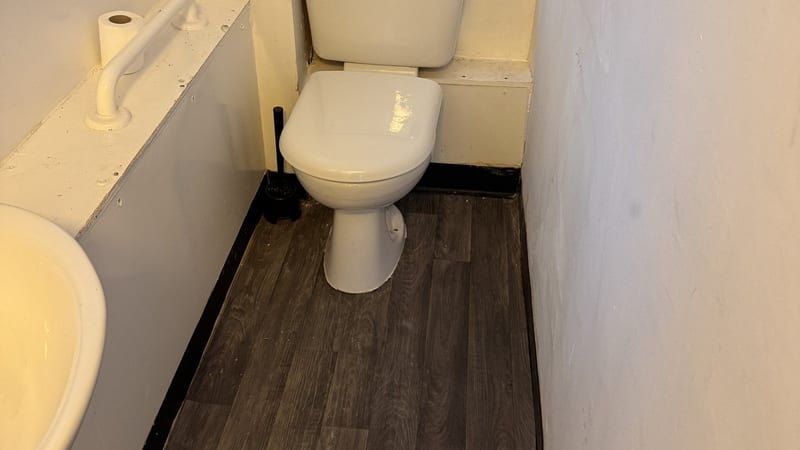
· 2 min read
How can I make a bathroom safer for an older parent?
Start with the changes that prevent falls: grab rails by the toilet and in the shower, a non-slip floor, good lighting and a shower seat. If climbing into the bath is the problem, replacing it with a level-access or low-tray shower makes the biggest difference. Councils can help pay for some adaptations through a Disabled Facilities Grant, usually after an assessment by an occupational therapist.
Read the answer →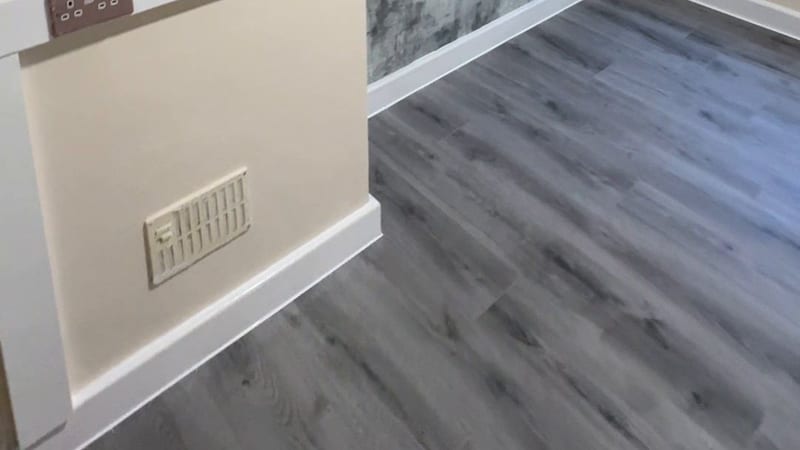
· 2 min read
Why is my laminate floor lifting or swelling?
Laminate lifts in a ridge when it has no room to expand, and it swells when water gets into its joints. The usual causes are a missing gap at the walls, spills or a leak, damp coming up from a concrete floor, or an uneven base. Boards that have only lifted can often be relaid; boards with swollen edges cannot be dried back and have to be replaced.
Read the answer →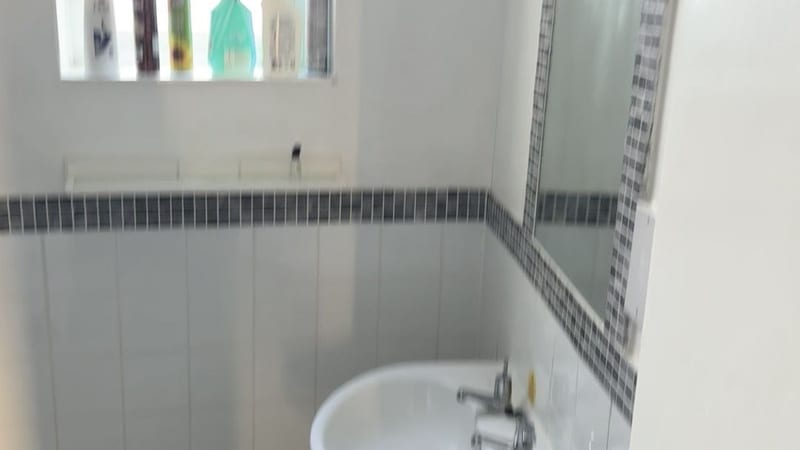
· 2 min read
Why is my shower leaking through the ceiling below?
Most leaks from a shower into the room below come from four places: tired sealant where the tray meets the wall, cracked grout, a loose or failed waste under the tray, or the pipes and valve behind the wall. Stop using the shower, let the ceiling dry, and check the sealant and grout first: they are the most common cause and the simplest to put right.
Read the answer →