Advice from the team
Home repair and refurbishment advice
Straight answers to the questions homeowners, landlords and guest house owners ask us most, with photos from our own jobs.
· 2 min read
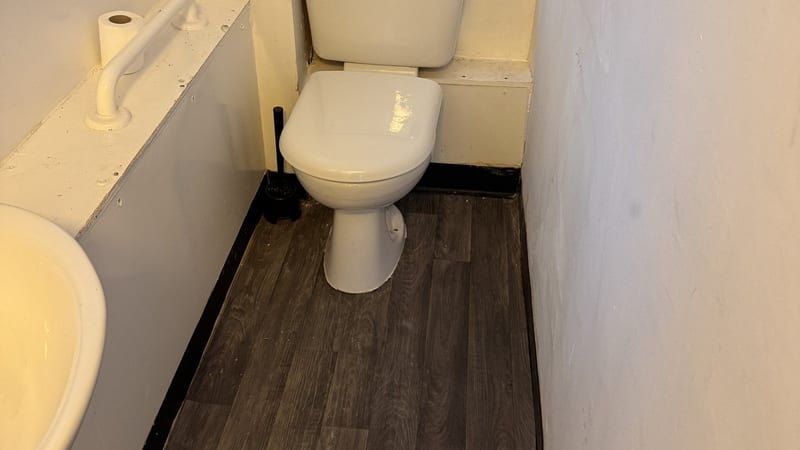
How can I make a bathroom safer for an older parent?
Start with the changes that prevent falls: grab rails by the toilet and in the shower, a non-slip floor, good lighting and a shower seat. If climbing into the bath is the problem, replacing it with a level-access or low-tray shower makes the biggest difference. Councils can help pay for some adaptations through a Disabled Facilities Grant, usually after an assessment by an occupational therapist.
Read the answer →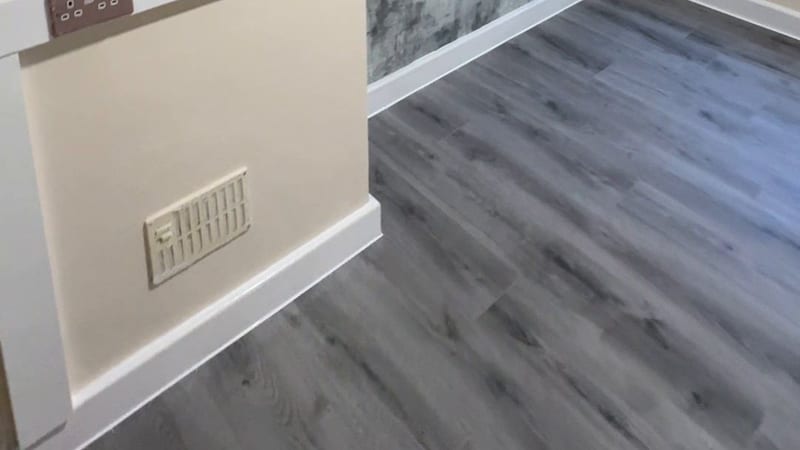
· 2 min read
Why is my laminate floor lifting or swelling?
Laminate lifts in a ridge when it has no room to expand, and it swells when water gets into its joints. The usual causes are a missing gap at the walls, spills or a leak, damp coming up from a concrete floor, or an uneven base. Boards that have only lifted can often be relaid; boards with swollen edges cannot be dried back and have to be replaced.
Read the answer →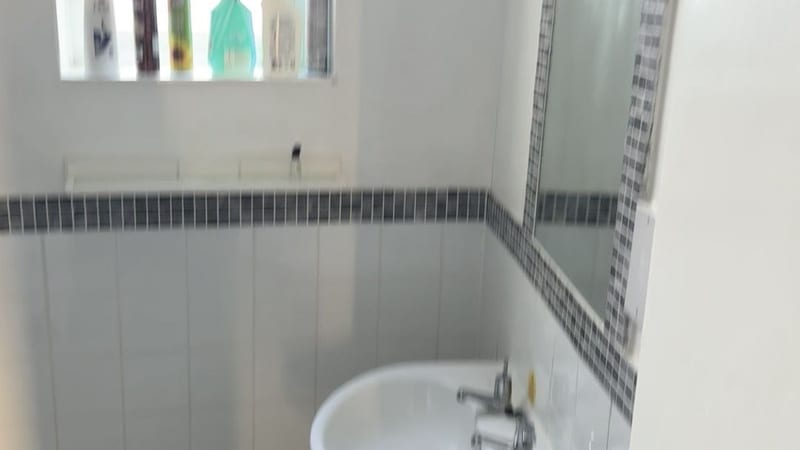
· 2 min read
Why is my shower leaking through the ceiling below?
Most leaks from a shower into the room below come from four places: tired sealant where the tray meets the wall, cracked grout, a loose or failed waste under the tray, or the pipes and valve behind the wall. Stop using the shower, let the ceiling dry, and check the sealant and grout first: they are the most common cause and the simplest to put right.
Read the answer →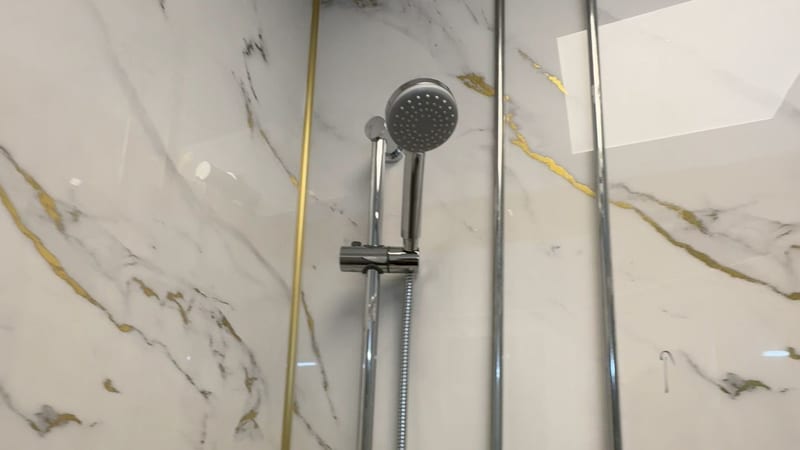
· 2 min read
How do I get a holiday let ready for the new season?
Walk round the property in the quiet months as if you were a guest, and list everything that looks worn or does not work properly. Fix the faults first, then refresh what guests notice most: bathrooms, walls, floors and doors. Book the work between November and March so it is finished before Easter, and keep the safety checks up to date.
Read the answer →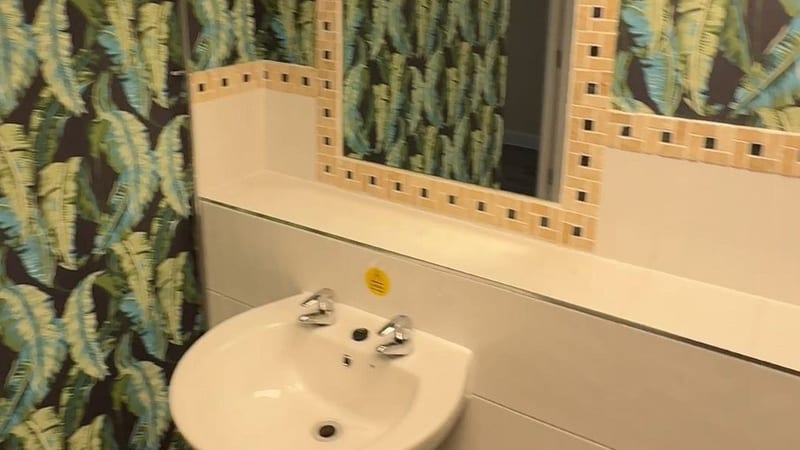
· 3 min read
What should you fix before selling or letting a flat?
Fix what people notice in the first minute and what a survey or an inventory will pick up: marked walls and ceilings, signs of damp, tired grout and sealant, dripping taps, sticking doors and worn floors. Then repaint in light, neutral colours. A whole new kitchen or bathroom is rarely worth fitting just to sell, unless the old one is broken.
Read the answer →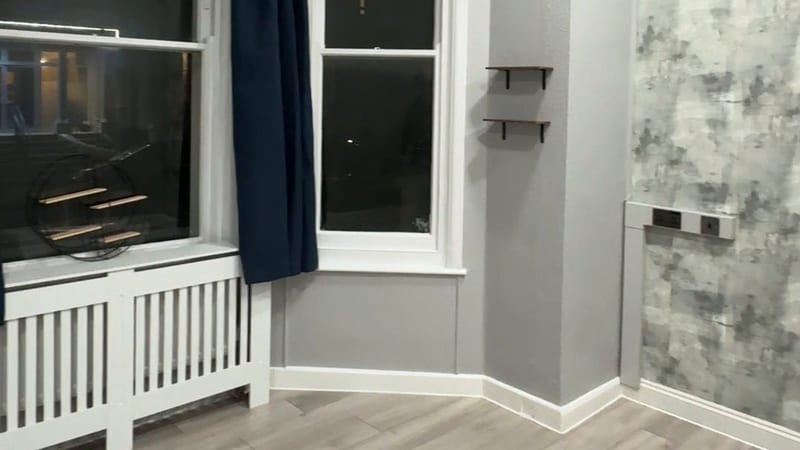
· 3 min read
Do I need permission to renovate a home in a conservation area or a listed building?
In a conservation area, work inside your home, such as decorating, new floors or a new bathroom, does not need planning permission: the extra controls are about the outside. A listed building is different. Work inside or out that affects its character needs listed building consent, and doing it without consent is a criminal offence.
Read the answer →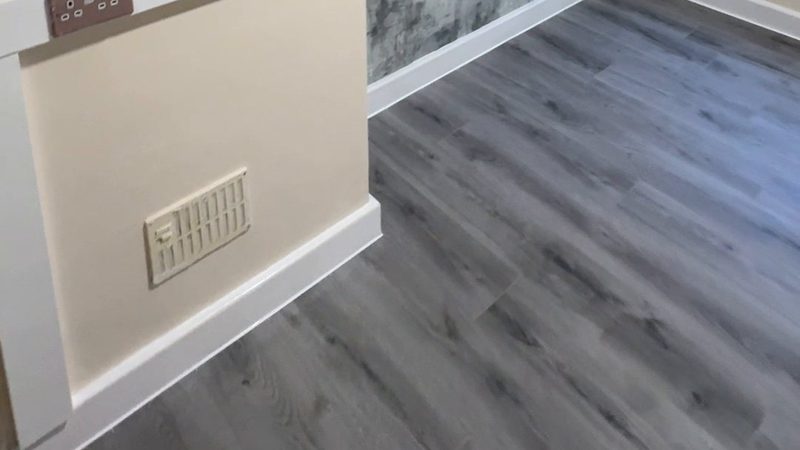
· 2 min read
Laminate, LVT or carpet: which floor is best for a flat?
For kitchens, bathrooms and hallways, LVT (luxury vinyl tile) is usually the best choice: it is waterproof, hard-wearing and quiet underfoot. Laminate looks similar and suits dry rooms, but most laminate does not like standing water. Carpet is the warmest and quietest for bedrooms, and many flat leases require carpet or an acoustic underlay to protect the neighbours below.
Read the answer →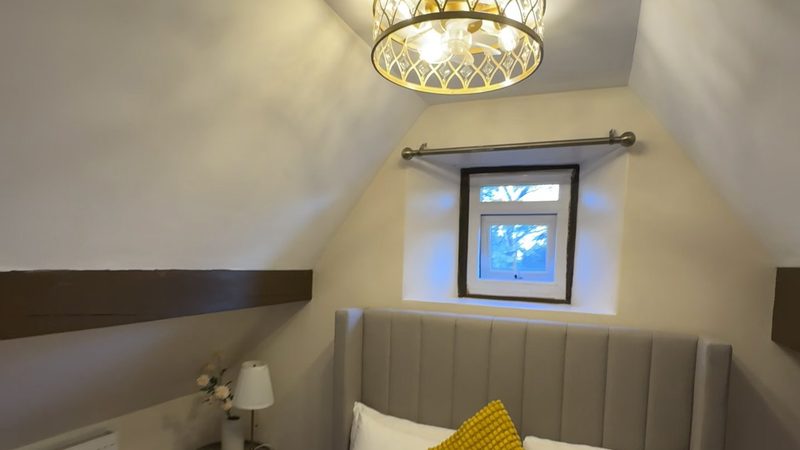
· 2 min read
When should a guest house be refurbished? A winter plan
Refurbish in the quiet months, roughly November to March, and do it room by room so the rest of the house keeps taking bookings. Start with the rooms that get the most complaints or earn the most, do bathrooms and floors first because they take longest, and book the trades in autumn so the work is finished before the Easter and summer bookings arrive.
Read the answer →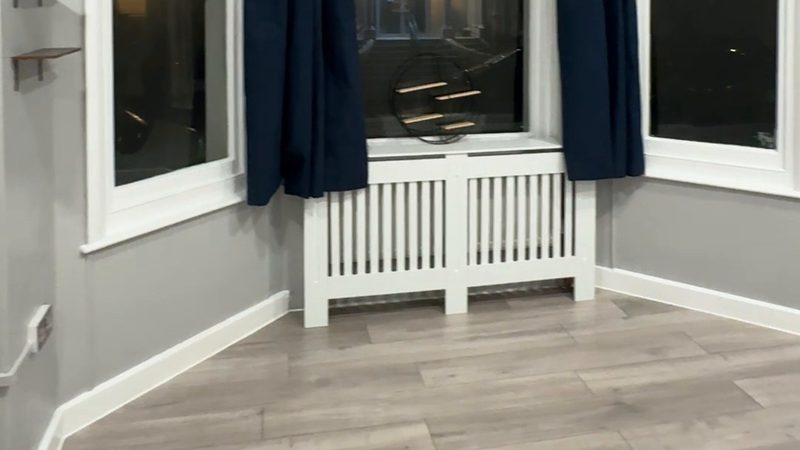
· 2 min read
End-of-tenancy refurbishment: a checklist for landlords
Between tenants, work in this order: safety first (alarms, the gas safety record and the electrical report), then water and damp (leaks, seals, mould), then what viewers notice (walls, floors, kitchen and bathroom). Fresh paint, new sealant and a deep clean do most of the work; bigger repairs are cheapest done now, while the property is empty.
Read the answer →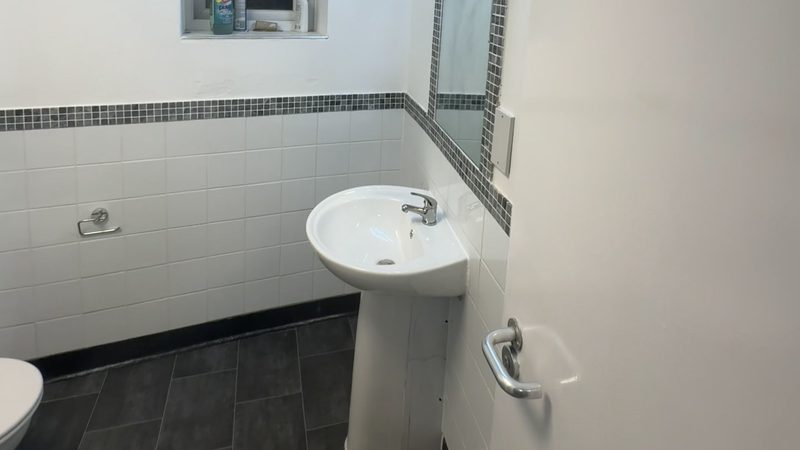
· 2 min read
How long does a bathroom refit take?
A full refit of an average UK bathroom usually takes one to three weeks, depending on how much changes and whether pipes, walls or electrics are moved. Smaller jobs are much quicker: re-lining a shower with wall panels or replacing a toilet can often be done in a day. The fastest refits are the ones where every material is on site before the old bathroom comes out.
Read the answer →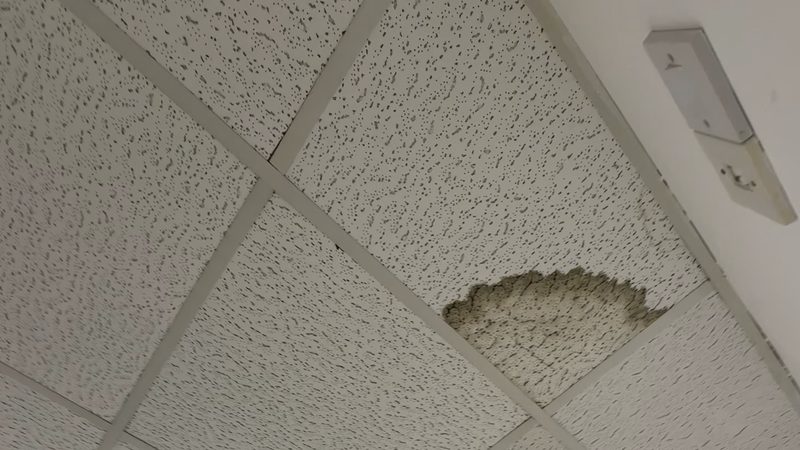
· 3 min read
How do I stop black mould on my bathroom ceiling?
Black mould on a bathroom ceiling is nearly always caused by condensation: warm, wet air from showers settling on a cold ceiling with nowhere to go. Clean it off, then fix the cause: run an extractor fan during and after every shower, let dry air in, and repaint with an anti-mould bathroom paint once the ceiling is clean and dry. If it keeps coming back in one place, look for a cold spot or a leak
Read the answer →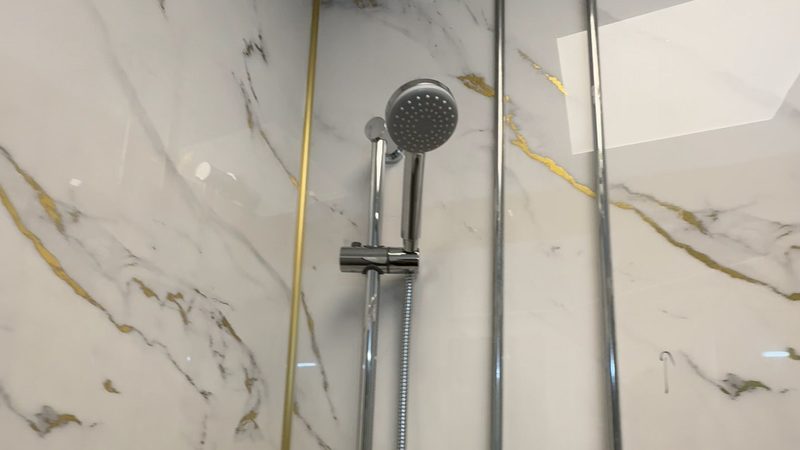
· 3 min read
Shower wall panels or tiles: which is better for your bathroom?
For most bathrooms, shower wall panels are the practical choice: there is no grout to clean or go mouldy, they go up in a day, and they can often be fitted over old tiles that are still firmly stuck. Tiles take longer and need more upkeep, but give you the widest choice of looks and last for decades when they are laid well.
Read the answer →
Got a question about your home?
Send a photo on WhatsApp. We will tell you what it needs and give you a fixed price.