Advice from the team
Why is my laminate floor lifting or swelling?
The short answer
Laminate lifts in a ridge when it has no room to expand, and it swells when water gets into its joints. The usual causes are a missing gap at the walls, spills or a leak, damp coming up from a concrete floor, or an uneven base. Boards that have only lifted can often be relaid; boards with swollen edges cannot be dried back and have to be replaced.
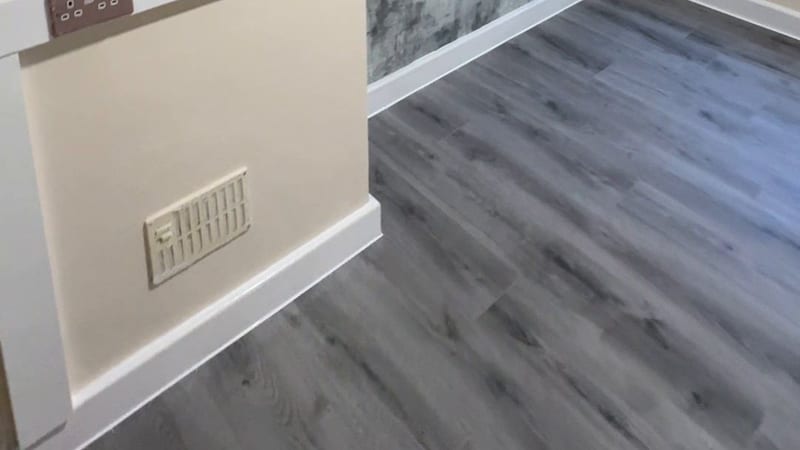
Laminate is a fibreboard core with a printed, hard-wearing top layer, and it is in a lot of the flats and houses we work in. When it lifts, the first question is whether it has lifted or swollen, because that decides whether the boards can be saved.
Lifting in a ridge: the floor has no room to move
Laminate is a floating floor: it is not fixed down, and it grows and shrinks a little with heat and humidity. It needs a gap at every wall, door frame and pipe, usually around 8 to 10 mm (the fitting instructions give the exact figure), hidden under the skirting or a beading. When skirting, kitchen units or a heavy wardrobe pin the floor down, the boards push against each other and rise in a ridge.
The fix is to free the edges, trim them back to the right gap and relay the boards. They are usually fine to reuse.
Swollen edges: water got into the joints
The fibreboard core soaks up water at the edges of each board, and swollen edges stay raised after they dry. It happens most near dishwashers, washing machines, sinks, bathroom doors and front doors where wet shoes come in. Find and stop the source first, then replace the damaged boards: this is where a few spare boards from the original fit pay off.
Damp coming up from the floor
On a concrete floor, laminate needs a damp-proof membrane under the underlay. Without it, moisture from the slab gets into the boards. Signs are boards cupping across a whole room and a musty smell. The floor has to come up, the base has to dry, and a membrane has to go down before the floor is relaid.
An uneven base
Dips and humps under the floor make the joints flex every time someone walks over them, until they open, chip and lift. The base needs levelling before the boards go back down.
Can it be saved?
- Lifted but flat boards: usually relaid with the right gaps.
- A few boards with swollen edges: those boards replaced, matched from spares or the same range.
- Swelling or damp across the room: a new floor, often LVT, which water does not harm.
Questions we get asked
Can swollen laminate be dried out?
Not really. Once the core has swollen, the edges stay raised after it dries, so those boards have to be replaced.
Should laminate go in a kitchen or bathroom?
It is a risk anywhere water reaches the floor. LVT is waterproof and is usually the better choice there. Our guide to floors for flats compares them.
Do you repair laminate floors in Eastbourne?
Yes. Send a photo of the floor and its edges on WhatsApp and we will tell you whether it can be relaid or needs new boards, with a free fixed quote. More on our flooring service.
More advice
· 2 min read
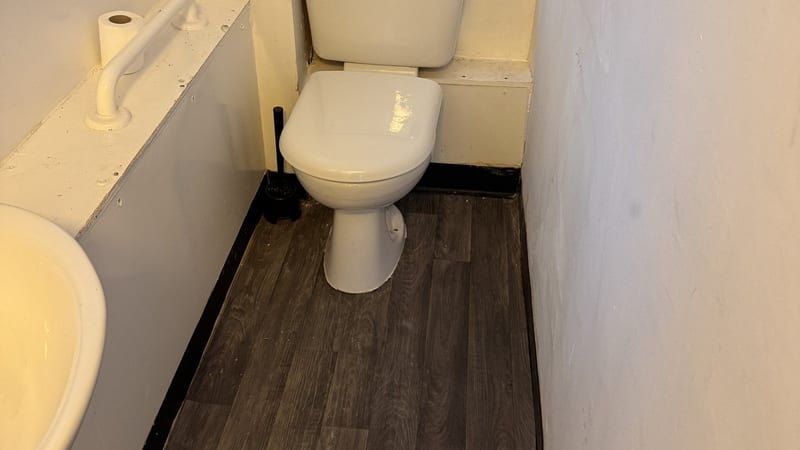
How can I make a bathroom safer for an older parent?
Start with the changes that prevent falls: grab rails by the toilet and in the shower, a non-slip floor, good lighting and a shower seat. If climbing into the bath is the problem, replacing it with a level-access or low-tray shower makes the biggest difference. Councils can help pay for some adaptations through a Disabled Facilities Grant, usually after an assessment by an occupational therapist.
Read the answer →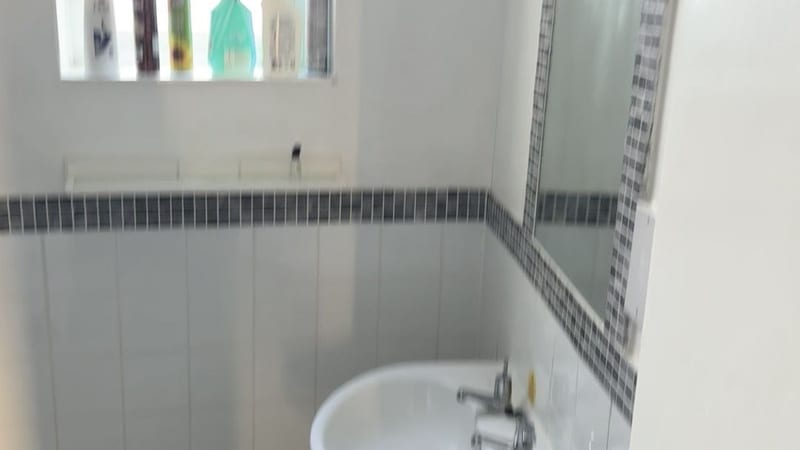
· 2 min read
Why is my shower leaking through the ceiling below?
Most leaks from a shower into the room below come from four places: tired sealant where the tray meets the wall, cracked grout, a loose or failed waste under the tray, or the pipes and valve behind the wall. Stop using the shower, let the ceiling dry, and check the sealant and grout first: they are the most common cause and the simplest to put right.
Read the answer →
· 2 min read
How do I get a holiday let ready for the new season?
Walk round the property in the quiet months as if you were a guest, and list everything that looks worn or does not work properly. Fix the faults first, then refresh what guests notice most: bathrooms, walls, floors and doors. Book the work between November and March so it is finished before Easter, and keep the safety checks up to date.
Read the answer →