Advice from the team
How long does a bathroom refit take?
The short answer
A full refit of an average UK bathroom usually takes one to three weeks, depending on how much changes and whether pipes, walls or electrics are moved. Smaller jobs are much quicker: re-lining a shower with wall panels or replacing a toilet can often be done in a day. The fastest refits are the ones where every material is on site before the old bathroom comes out.
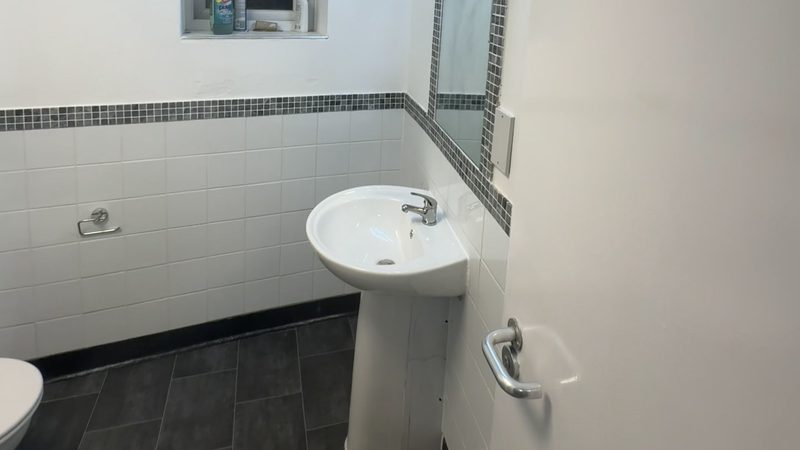
It is the first thing most people ask, because a bathroom out of action is hard to live with. The honest answer depends on what is being done, so here is how the time breaks down, with timings from our own jobs in Eastbourne.
Typical timings
- A new toilet or basin: a few hours.
- A shower re-lined with wall panels: usually one day.
- A new bathroom floor: one to two days, including lifting and refitting the toilet.
- A full refit, same layout: about one to two weeks.
- A full refit with a new layout, moved pipework or a wet room: two to three weeks or more.
What the time goes on
A full refit happens in stages, and each stage has to finish before the next one starts:
- Strip-out: the old suite, tiles and floor come out.
- First fix: new pipework, and any electrical changes by a qualified electrician.
- Walls and floor: boarding, levelling and waterproofing where needed.
- Tiles or wall panels, then the new floor.
- Second fix: the toilet, basin, shower and taps go in and are connected.
- Sealing, painting and the final clean.
Drying times are the hidden part of the schedule. Adhesive, grout, levelling compound and plaster all need time before the next layer goes on, and rushing them is how tiles crack and seals fail.
Examples from our own jobs
Our job photos carry the time they were taken, so these are real gaps, not estimates:
- A tiled shower in Eastbourne, lined with marble-effect panels: the before photo was taken just before midday, the after photo just before six the same evening.
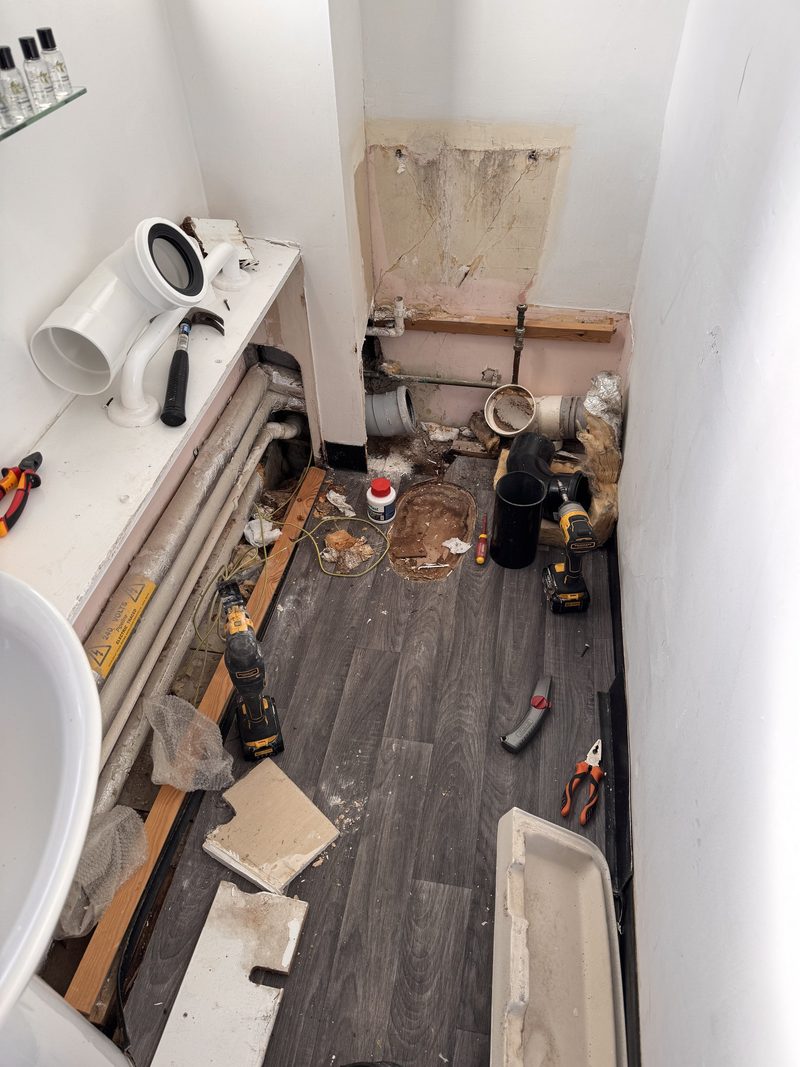
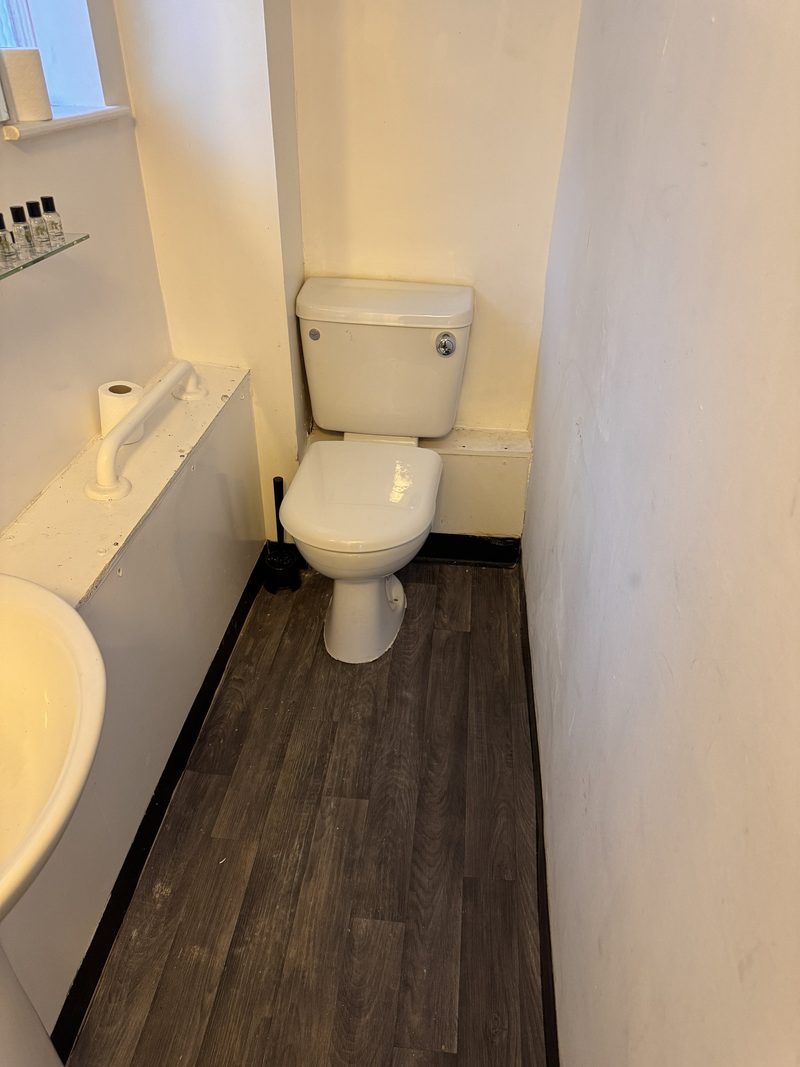
- A toilet replaced in a flat in Eastbourne: before and after photos under three hours apart.
- A bathroom in Eastbourne with a new floor and a panelled shower: before and after photos ten days apart.
How to keep a refit on time
- Choose everything before work starts: suite, taps, panels or tiles, floor and paint.
- Have the materials delivered and checked before the old bathroom comes out. A missing tile or a cracked basin can stop a job for days.
- Plan any electrical work early, so the electrician’s visit fits between the stages.
- Expect surprises behind old tiles and under floors, such as rotten boards or an old leak, and keep a little time spare.
Questions we get asked
Can I use my bathroom during a refit?
Not during the main works. If it is your only bathroom, ask how a toilet will be kept working overnight, and plan somewhere to shower for the noisiest days.
Do I need to move out for a bathroom refit?
Usually not, as long as there is a plan for a toilet in the evenings. For a whole-flat refurbishment it can be easier to stay elsewhere.
Can a bathroom be done over a weekend?
Small jobs, yes: a new toilet, a basin or shower panels. A full refit cannot be squeezed into a weekend without cutting corners on drying times.
Planning a bathroom? Send us a photo on WhatsApp and we will tell you how long your job would take, with a free fixed quote. More on our bathrooms and plumbing service.
More advice
· 2 min read
How can I make a bathroom safer for an older parent?
Start with the changes that prevent falls: grab rails by the toilet and in the shower, a non-slip floor, good lighting and a shower seat. If climbing into the bath is the problem, replacing it with a level-access or low-tray shower makes the biggest difference. Councils can help pay for some adaptations through a Disabled Facilities Grant, usually after an assessment by an occupational therapist.
Read the answer →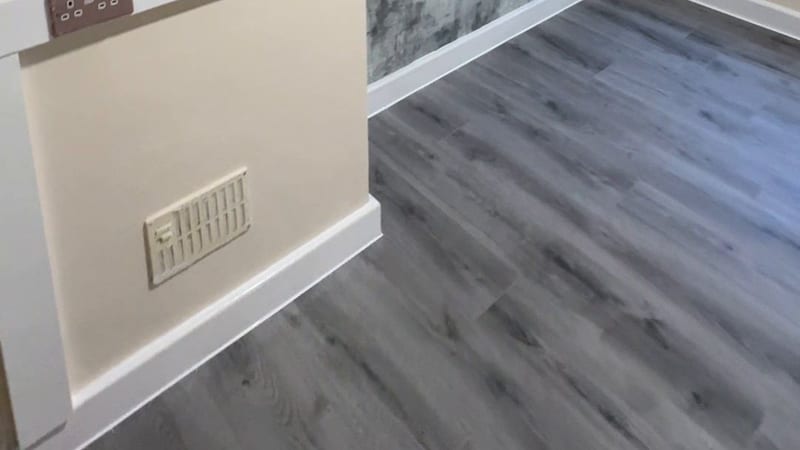
· 2 min read
Why is my laminate floor lifting or swelling?
Laminate lifts in a ridge when it has no room to expand, and it swells when water gets into its joints. The usual causes are a missing gap at the walls, spills or a leak, damp coming up from a concrete floor, or an uneven base. Boards that have only lifted can often be relaid; boards with swollen edges cannot be dried back and have to be replaced.
Read the answer →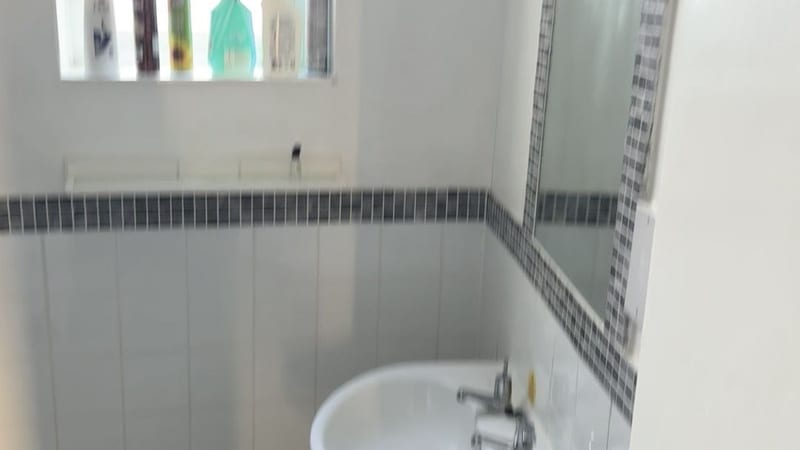
· 2 min read
Why is my shower leaking through the ceiling below?
Most leaks from a shower into the room below come from four places: tired sealant where the tray meets the wall, cracked grout, a loose or failed waste under the tray, or the pipes and valve behind the wall. Stop using the shower, let the ceiling dry, and check the sealant and grout first: they are the most common cause and the simplest to put right.
Read the answer →