Advice from the team
Do I need permission to renovate a home in a conservation area or a listed building?
The short answer
In a conservation area, work inside your home, such as decorating, new floors or a new bathroom, does not need planning permission: the extra controls are about the outside. A listed building is different. Work inside or out that affects its character needs listed building consent, and doing it without consent is a criminal offence.
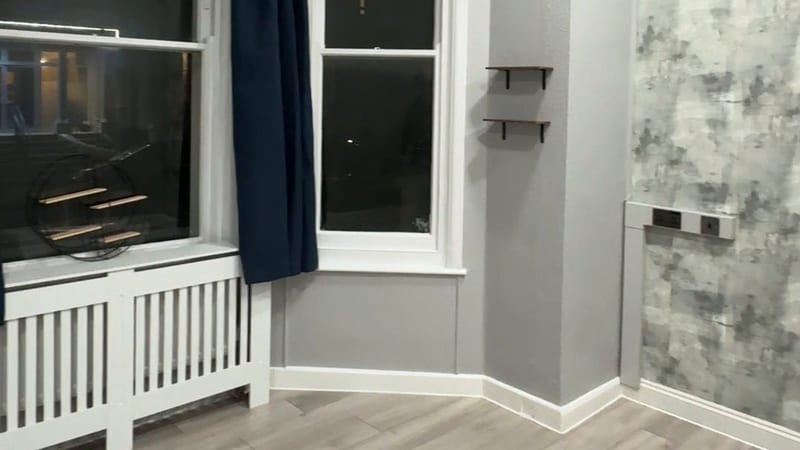
Around Eastbourne this question comes up often. Eastbourne alone has 12 conservation areas, from Meads to Old Town, and villages such as Alfriston, Jevington and East Dean are inside the South Downs National Park. Here are the rules in short, and what we check before a job starts. For your own home, the council always has the final word.
Conservation areas: inside is free, the outside is controlled
A conservation area protects the character of a street or a village, so the controls are about what people can see. Houses there have fewer permitted development rights than elsewhere: some outside changes that need no application in other places need planning permission in a conservation area. Councils can also remove more of these rights with an Article 4 direction, and those are most common in conservation areas.
Work inside an unlisted home, such as redecorating, new floors, a new kitchen or a new bathroom, is not affected. Outside, these are the jobs to check with the council first:
- Replacement windows or doors that look different from the old ones.
- Cladding or rendering outside walls.
- Taking down a front wall, a building or part of one.
- Cutting down or pruning most trees: in a conservation area the council needs six weeks’ notice first.
Listed buildings: the inside counts too
Listing protects the whole building, inside and out. Under the Planning (Listed Buildings and Conservation Areas) Act 1990, any work that affects its character as a building of special interest needs listed building consent from the council. Doing such work without consent is a criminal offence, for whoever does the work and for whoever orders it, and the courts do not accept that you did not know the building was listed.
Councils say that redecorating and putting in new kitchen and bathroom fittings do not normally need consent, as long as historic features are left alone. Work that touches the old fabric of the building often does:
- Removing or moving walls, doors, fireplaces, panelling or cornices.
- Replacing old lime plaster or original floorboards.
- Moving a kitchen or bathroom to another room, or new pipe runs cut through old walls and floors.
- Repairs in materials that do not match the original.
Flats: most outside changes need permission anywhere
Flats and maisonettes do not have the permitted development rights that houses have, so most changes to the outside need planning permission wherever the flat is. Inside, check the lease as well: many leases need the freeholder’s consent for alterations, and some say which floors are allowed.
Inside the South Downs National Park
Jevington, East Dean, Friston and Alfriston are inside the National Park, where the South Downs National Park Authority handles planning. Like conservation areas, National Parks are designated land, so some outside work needs planning permission there that would not elsewhere. Work inside an unlisted home is unaffected.
What we do before a job like this
- We ask whether the building is listed or in a conservation area, and help you check if you are not sure.
- We tell you at the quote if any part of the job might need consent, before anything is ordered.
- Where the building calls for it, we repair like for like, in matching materials.
- We do not start work that needs consent until you have it.
Questions we get asked
Can I replace a bathroom in a listed building?
Usually, if you are replacing modern fittings in the same place. Moving the bathroom, cutting new pipe runs through old walls or floors, or removing historic features can need listed building consent. Ask the council’s conservation officer before you start.
Do I need permission to redecorate inside a listed building?
Redecorating does not normally need consent, as long as historic features such as panelling, mouldings or old plaster are not removed or damaged. If in doubt, ask the council first.
What happens if work is done without listed building consent?
It is a criminal offence. Under the 1990 Act the most serious cases can lead to up to two years in prison, a fine, or both, and the council can require the work to be put back as it was.
How do I find out if my home is listed or in a conservation area?
Search the National Heritage List for England on Historic England’s website for a listing. Conservation areas are on your council’s website: Eastbourne Borough Council has 12, and Wealden, Lewes and Rother councils list theirs. Our town pages name the conservation areas in each place we cover.
Planning a job in an older home? Send a photo on WhatsApp and the Home Fix N Go team will tell you what it needs, with a free fixed quote.
More advice
· 2 min read
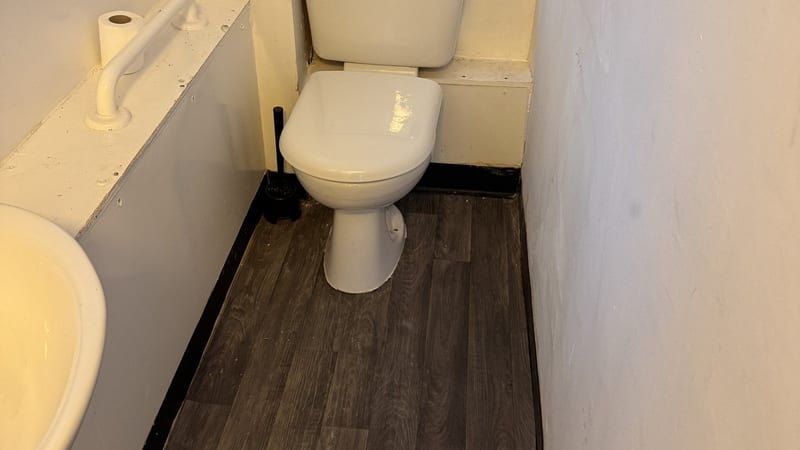
How can I make a bathroom safer for an older parent?
Start with the changes that prevent falls: grab rails by the toilet and in the shower, a non-slip floor, good lighting and a shower seat. If climbing into the bath is the problem, replacing it with a level-access or low-tray shower makes the biggest difference. Councils can help pay for some adaptations through a Disabled Facilities Grant, usually after an assessment by an occupational therapist.
Read the answer →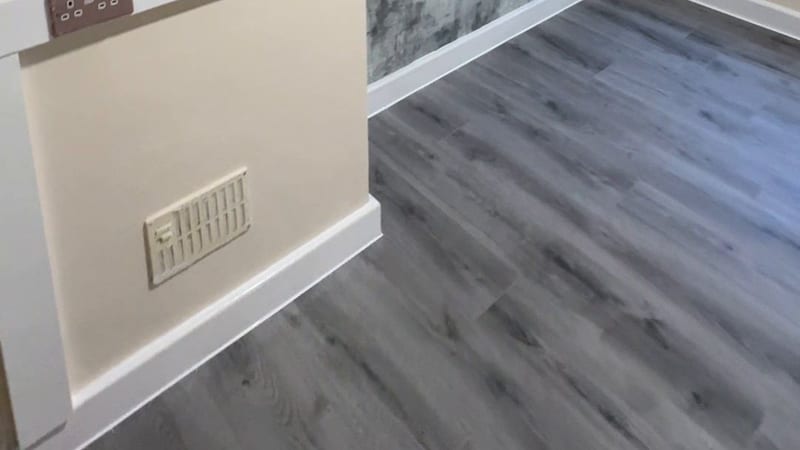
· 2 min read
Why is my laminate floor lifting or swelling?
Laminate lifts in a ridge when it has no room to expand, and it swells when water gets into its joints. The usual causes are a missing gap at the walls, spills or a leak, damp coming up from a concrete floor, or an uneven base. Boards that have only lifted can often be relaid; boards with swollen edges cannot be dried back and have to be replaced.
Read the answer →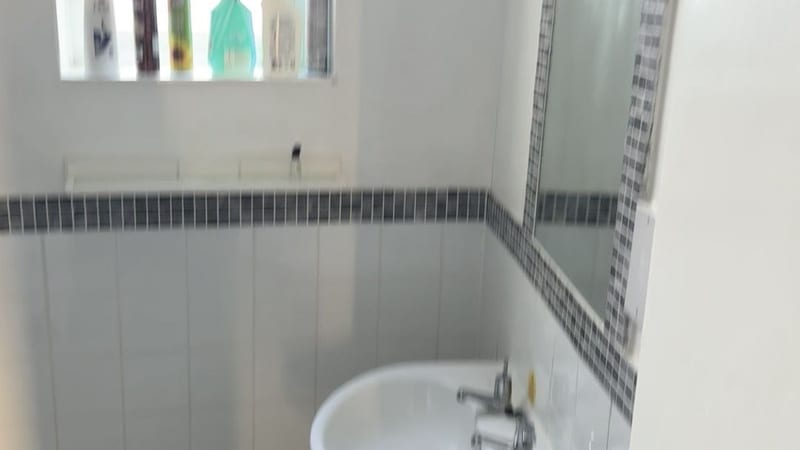
· 2 min read
Why is my shower leaking through the ceiling below?
Most leaks from a shower into the room below come from four places: tired sealant where the tray meets the wall, cracked grout, a loose or failed waste under the tray, or the pipes and valve behind the wall. Stop using the shower, let the ceiling dry, and check the sealant and grout first: they are the most common cause and the simplest to put right.
Read the answer →