Advice from the team
What should you fix before selling or letting a flat?
The short answer
Fix what people notice in the first minute and what a survey or an inventory will pick up: marked walls and ceilings, signs of damp, tired grout and sealant, dripping taps, sticking doors and worn floors. Then repaint in light, neutral colours. A whole new kitchen or bathroom is rarely worth fitting just to sell, unless the old one is broken.
Many flats around Eastbourne are in large Victorian and Edwardian houses that were split up long ago, especially in Meads. When one goes up for sale or to let, we see the same short list of jobs again and again. Here it is, in the order we would tackle it.
1. Anything that looks like damp
Black marks on a bathroom ceiling, a tide mark under a window or peeling paint in a corner make people think the worst, and a surveyor will note them. Find the cause first: often it is condensation from a bathroom with no working extractor fan, sometimes a leak. Put that right, treat the mould, and only then repaint, or the marks come back. Our article on black mould on a bathroom ceiling explains how.
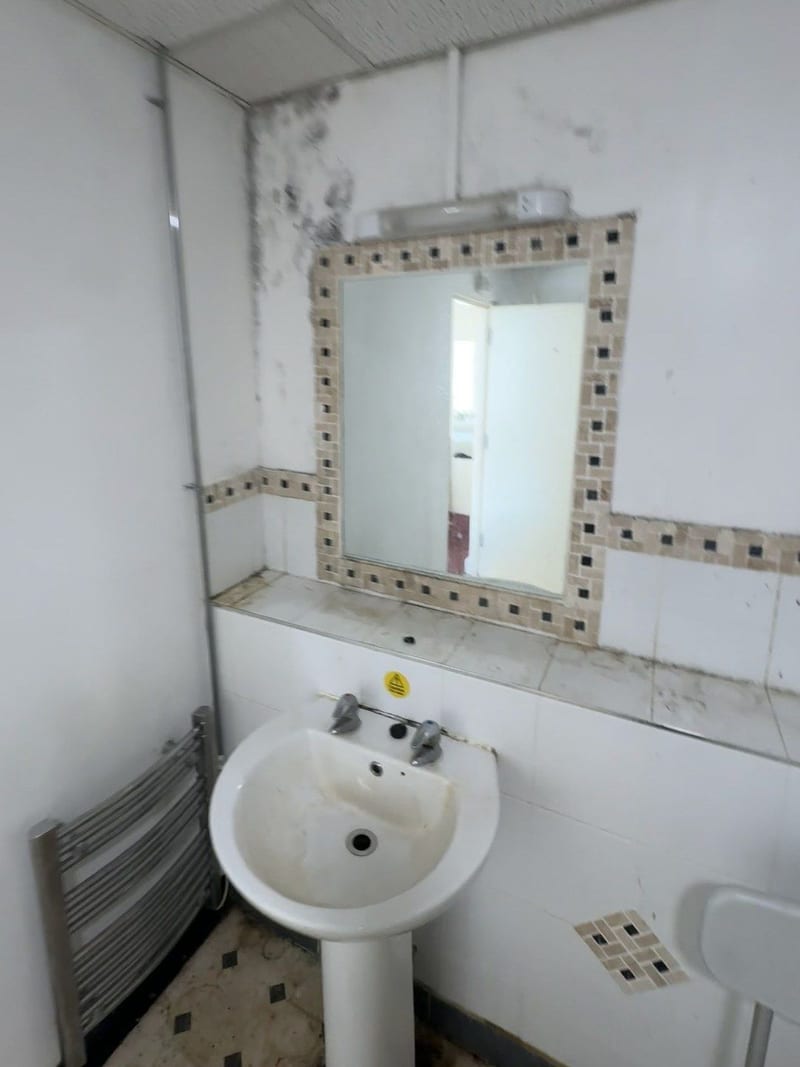
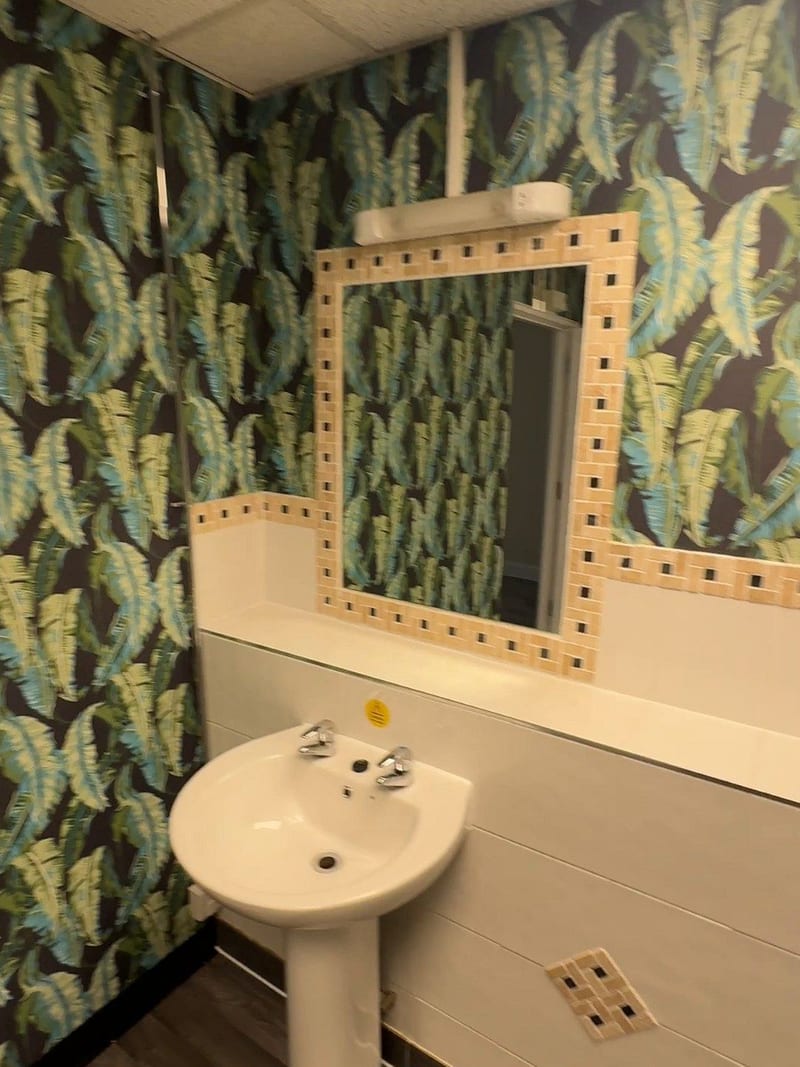
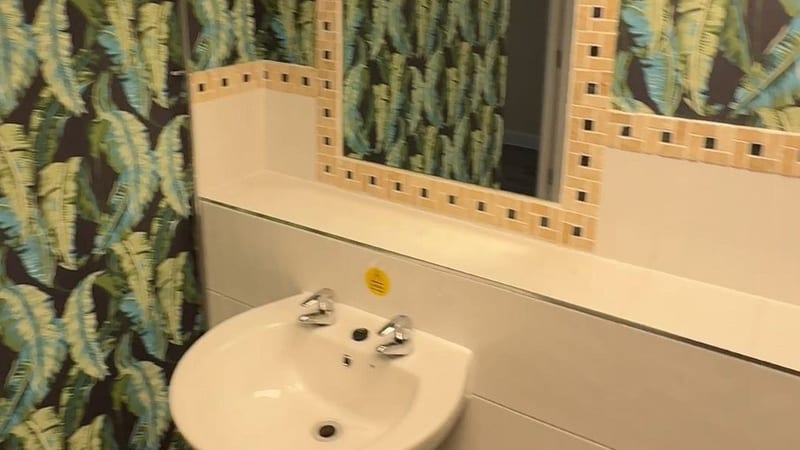
This flat bathroom in Eastbourne is a good example. The basin and the mirror were fine, so they stayed, and the walls were redone around them.
2. Bathroom and kitchen details
- Cut out black or split silicone around the bath, shower and sink and renew it.
- Clean or regrout stained grout, or line a tired shower with wall panels.
- Fix dripping taps and a toilet that keeps running.
- Tighten loose handles, toilet seats and towel rails.
3. Walls, ceilings and woodwork
Fill cracks and holes, sand them smooth and repaint in light, neutral colours. Fresh white woodwork, doors and skirting make a big difference for a small job. Strong colours suit some rooms, but neutral walls let buyers and tenants picture their own things in the space.
4. Floors
Worn or stained carpet is one of the first things people notice. In halls, kitchens and bathrooms, a hard-wearing floor such as LVT looks fresh and stands up to tenants. In a flat, check the lease before laying a hard floor: many need an acoustic underlay. More in our guide to floors for flats.
5. Doors and windows
Doors that stick or will not latch, windows that will not open and missing handles all suggest a flat that has not been looked after. They are usually quick to put right.
If you are letting rather than selling
Tenants live with the details every day, so finishes that last matter more than looks. The safety checks that come with letting must also be in date, such as the yearly gas safety check and the electrical safety report. Those are done by qualified engineers: when a job needs one, we bring them in and coordinate the work. Our end-of-tenancy checklist goes through a flat room by room.
What is usually not worth doing just to sell
A brand-new kitchen or bathroom, moving walls or expensive finishes often add less to the price than they cost, and many buyers want to choose their own. Repair and refresh instead, unless something is broken.
Questions we get asked
How long does it take to get a flat ready to sell or let?
Repairs, painting and a list of small jobs in a one or two-bedroom flat usually take days rather than weeks. A new floor or bathroom adds time. We tell you how long when we quote.
Can you do the work while the flat is empty or on the market?
Yes. We can collect keys from you or your agent, work while you are away and send photos as each job is done.
Do you work on flats in Meads and the rest of Eastbourne?
Yes. The Home Fix N Go team works across Eastbourne and up to 20 km around it. Send a photo of each room on WhatsApp for a free fixed quote.
See how we work with landlords and letting agents, or for flats and houses.
More advice
· 2 min read
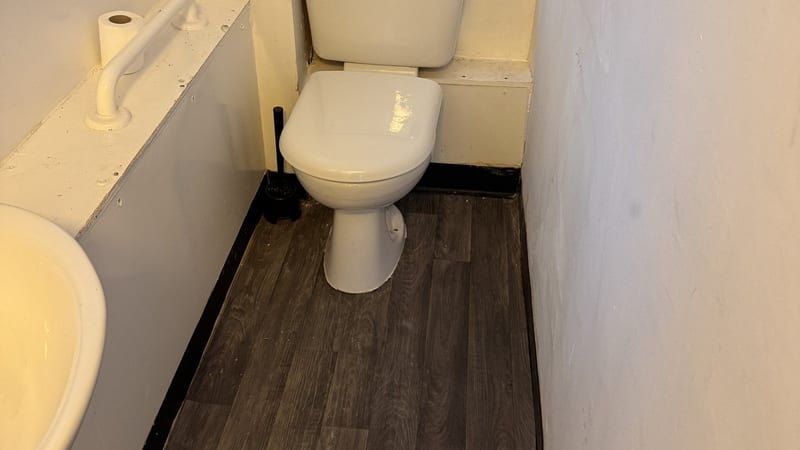
How can I make a bathroom safer for an older parent?
Start with the changes that prevent falls: grab rails by the toilet and in the shower, a non-slip floor, good lighting and a shower seat. If climbing into the bath is the problem, replacing it with a level-access or low-tray shower makes the biggest difference. Councils can help pay for some adaptations through a Disabled Facilities Grant, usually after an assessment by an occupational therapist.
Read the answer →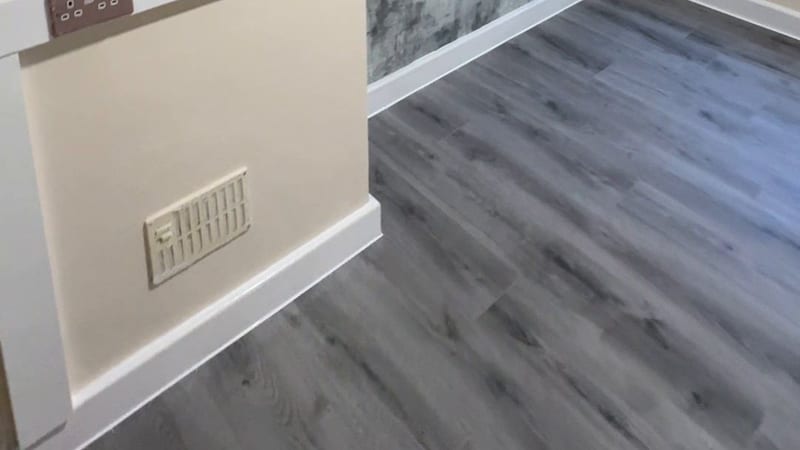
· 2 min read
Why is my laminate floor lifting or swelling?
Laminate lifts in a ridge when it has no room to expand, and it swells when water gets into its joints. The usual causes are a missing gap at the walls, spills or a leak, damp coming up from a concrete floor, or an uneven base. Boards that have only lifted can often be relaid; boards with swollen edges cannot be dried back and have to be replaced.
Read the answer →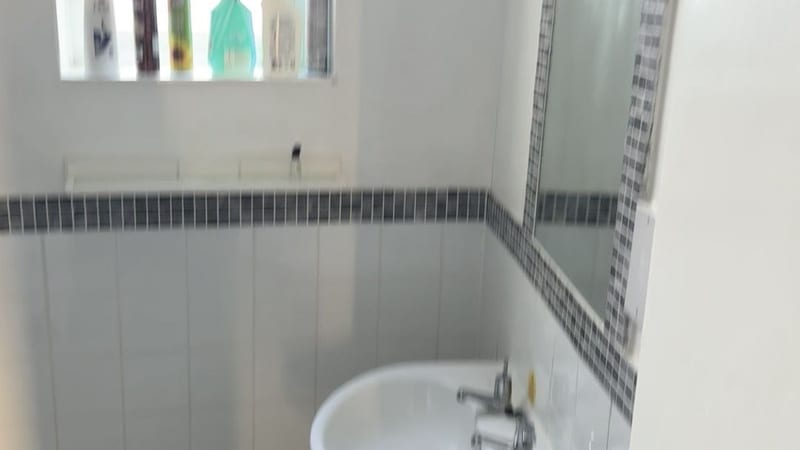
· 2 min read
Why is my shower leaking through the ceiling below?
Most leaks from a shower into the room below come from four places: tired sealant where the tray meets the wall, cracked grout, a loose or failed waste under the tray, or the pipes and valve behind the wall. Stop using the shower, let the ceiling dry, and check the sealant and grout first: they are the most common cause and the simplest to put right.
Read the answer →